Weekly · bring your own heels · everyone welcome
Heels Dance Classes in Blackpool
Heels dance classes in Blackpool: an hour a week spent learning to actually dance in the shoes, rather than survive an evening in them. Ankle work, a walk that goes somewhere, and choreography that gets built up over a block until the heel stops being the hard part. Bring your own pair — a block heel is the sensible place to start — and pay £10 on the night, or £32 for four weeks together.
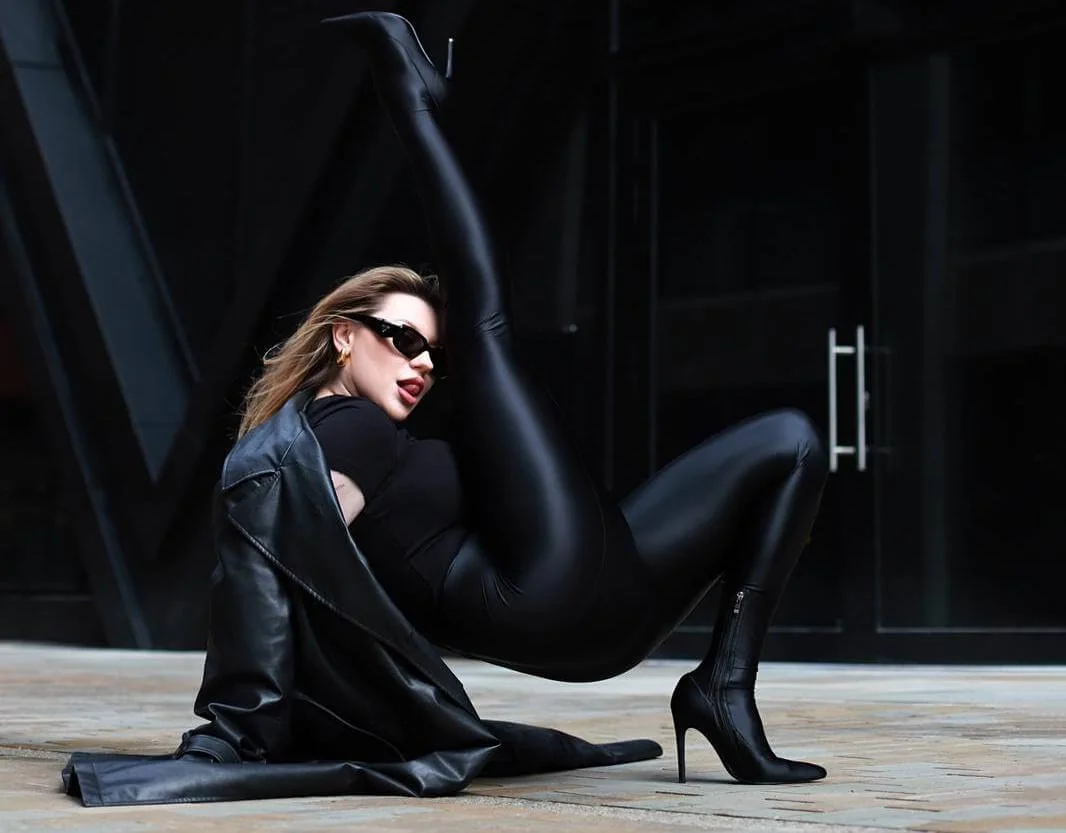
Step one, before the shoes
Drop us a line and the heels evening comes back to you.
Heels has a weekly place on the town-centre schedule. The night and the studio go out by email rather than sitting on this page collecting dust, and the same reply tells you which shoes to dig out of the wardrobe and which to leave there.
- £10 a class · £32 if you take four
- Your own heels, block heel advised to begin
- Open to anyone, whatever you wear the rest of the week
The essentials
- Where Blackpool town centre studio
- When Weekly, evening — sent by reply
- Length One hour
- Level Beginners upward
- Ages 17 – 75
- Partner Not needed
Shoes, then dancing
Three inches changes everything.
A town that already owns the footwear
Few places in Britain put as many heels on a pavement of a weekend as this one does, and the Promenade in a crosswind is a harsh school. What almost nobody gets taught is the technique underneath: where the weight sits, how the ankle holds, why the knee has to stay soft. That is what this class is for. It goes on the weekly Blackpool timetable alongside nineteen other styles, and it is far more a strength and control class than the internet would have you believe — the choreography is the reward at the end, not the whole hour.
Come in expecting a slower start than you might want. The first weeks go on standing, transferring weight and walking properly, because a routine built on wobbly ankles simply falls over. Once that settles, the style opens up: sharp commercial-flavoured phrases, slow controlled body rolls, turns that stay where you put them, and the odd drop to the floor for anybody who fancies it. Nobody is obliged to do the floor sections and nobody is graded on how low they get. Half the register turns up in joggers and swaps into the shoes at the door, which tells you most of what you need to know about the mood of the room.
Sixty minutes, roughly split
Trainers on for a warm-up that leans hard into ankles, calves and core, then shoes on for technique across the floor, then the last stretch on choreography that grows week by week across a block. Dancers who want more of the same energy without the heel usually add commercial as a second class, and brides who have realised they'll be dancing in shoes they've never rehearsed in have used it as sensible preparation for a wedding first dance. Blocks stop after four weeks and don't renew themselves, so carrying on is always a fresh decision, and taking a couple of months off between one block and the next is common enough that nobody remarks on it.
The four weeks
Wobble, walk, turn, routine.
How a block usually runs. Usually — if half the room still wants the wall for balance, week two happens twice.
Standing up in them
Ankle and calf work, weight over the ball of the foot, soft knees. Deeply unglamorous, and the reason everything later works.
The walk
Crossing a floor with intent instead of picking your way over it. Hips, timing, and where the eyes go.
Turns and body
Pivots that finish where you aimed them, plus rolls through the spine so the top half stops being a passenger.
The routine
Everything joined to a track and run at tempo in small groups, with the floor sections in for whoever wants them.
The quiet upside
What a heels block actually builds.
The routine is what you'll show people. This is what you keep.
- Ankles and calves strong enough to make a wedding bearable
- Balance that shows up on cobbles and tram tracks
- Core work you'll only notice the next morning
- A walk that no longer apologises for itself
- Choreography you could pull out at a party
- An hour of being watched by people who are on your side
- Posture that survives a desk job
- A weeknight that belongs to nobody else
Ask away
Heels in Blackpool, answered honestly.
Ten things people check before booking a heels dance class in Blackpool.
IWhat is a heels class, exactly?
Technique and choreography performed in a heeled shoe. Roughly half the hour is control work — ankles, weight, walking — and the rest is a routine with a commercial, performance-facing flavour. It is a good deal more athletic than it looks from the outside.
IIWhich shoes should I bring?
Your own pair, and for a first block a chunky block heel beats a stiletto every time — more base, far less wobble, and much kinder while your ankles catch up. An ankle strap helps. We don't lend, hire or sell shoes, kit or props, so everything on your feet is yours.
IIIWould trainers be an option for the first week?
Yes, and plenty of people spend their first session that way while they work out what to buy. The warm-up happens in flat shoes regardless. Nobody is going to comment on what's on your feet, at any point.
IVI can barely walk in heels. Is that a problem?
It's the reason the class exists. Walking is taught properly, from the ground up, over the opening weeks — most people arrive having only ever worn heels standing still at a bar. Being unsteady on week one is completely normal.
VIs it safe for my ankles and knees?
The strength work at the front of every session is there for precisely that reason, and the shoes go on only after everything is warm. Speed comes last, once the technique holds. Mention any old injuries and you'll be given a version that suits, or you can drop back into flats for a section.
VIHow does this differ from a commercial class?
The vocabulary overlaps, but a heel changes the physics — shorter steps, more control, a different line through the leg. Heels also spends real time on walking and balance, which a flat-shoe class never needs to. A lot of dancers do both.
VIIIs the class only for women?
No. Anyone over seventeen can book it and the shoes have never cared who is standing in them. The room tends to be mixed in age and background, and the atmosphere is far more supportive than the style's reputation suggests.
VIIIWhat am I paying?
£10 for a one-off, or £32 for four weeks taken together, which is £8 a class. There's no sign-up fee and no rolling payment — you decide again at the end of every block.
IXWhat part of town is it in?
Blackpool town centre, a short walk from Blackpool North and the tram stops along the front. The street and the room come with your timetable; they aren't on this page because they move whenever the schedule does.
XDo I have to perform anything?
Only in front of the other people in the class, and only because a room is too small to run a routine any other way. Nothing is filmed unless everyone agrees, there's no audience and there's no showcase at the end of a block.